Why Fermented ?
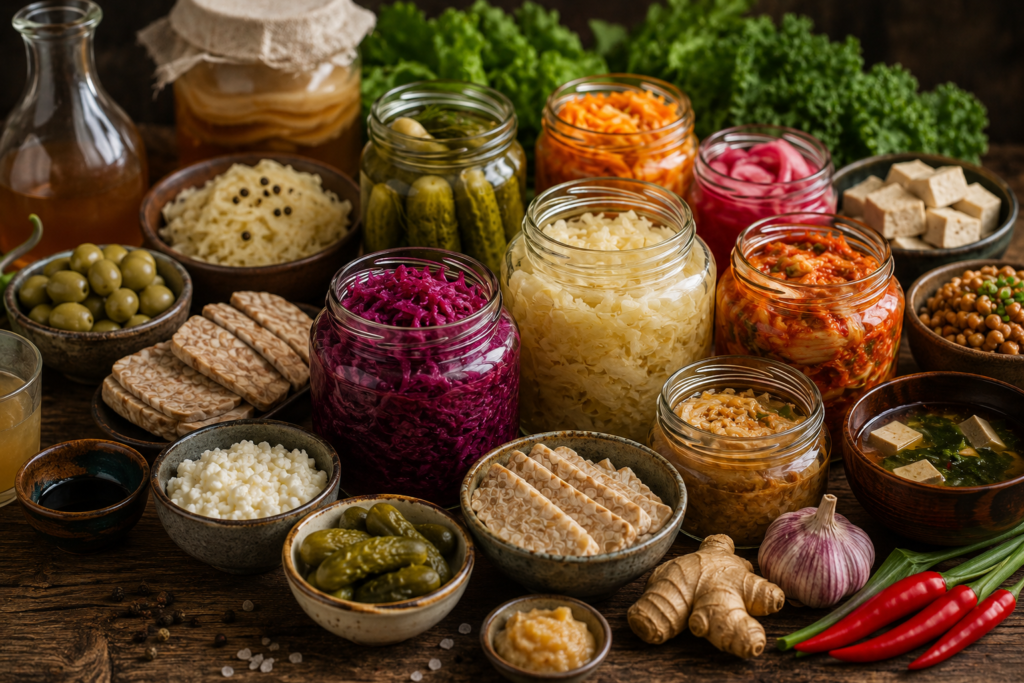
Fermented food is one of the oldest food traditions in the world. Long before modern refrigeration, people used fermentation to preserve seasonal ingredients, develop deeper flavour and make food last longer.
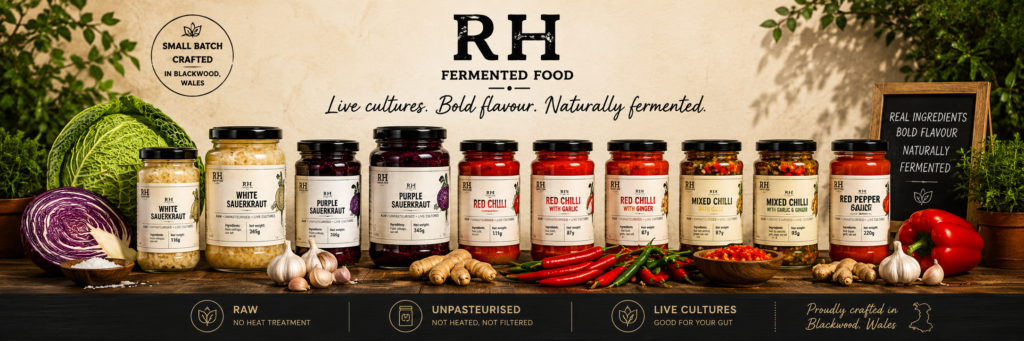
At RH Fermented Food, we use traditional fermentation methods to create bold, flavour-led products made with simple ingredients and live cultures.
Our focus is not only on preserving food, but on creating something with character: chilli products, pepper spreads and sauerkraut that bring depth, brightness and complexity to everyday meals.
🥬🥬🥬🥬🥬🥬🥬🥬🥬🥬🥬🥬🥬🥬🥬🥬🥬🥬🥬🥬🥬🥬🥬🥬🥬🥬🥬🥬🥬🥬🥬🥬🥬🥬🥬🥬🥬🥬🥬🥬🥬🥬🥬🥬🥬🥬🥬🥬🥬🥬🥬🥬🥬🥬
What Is Fermentation?
Fermentation is a natural process where microorganisms such as lactic acid bacteria transform ingredients over time.
In vegetable fermentation, naturally present bacteria convert sugars into organic acids. This changes the flavour, texture and aroma of the food while helping to preserve it.
That is why fermented foods often taste more complex than simply pickled or cooked foods. They are not just sour. They can be savoury, tangy, rich, bright, spicy and deeply flavourful.
Fermentation Is About Flavour First
For us, fermentation starts with taste.
A fresh chilli gives heat. A fermented chilli gives heat, acidity, depth and savoury complexity.
Fresh cabbage is crisp and mild. Fermented sauerkraut becomes tangy, layered and refreshing.
A red pepper is naturally sweet. Fermentation turns it into something deeper, sharper and more rounded.
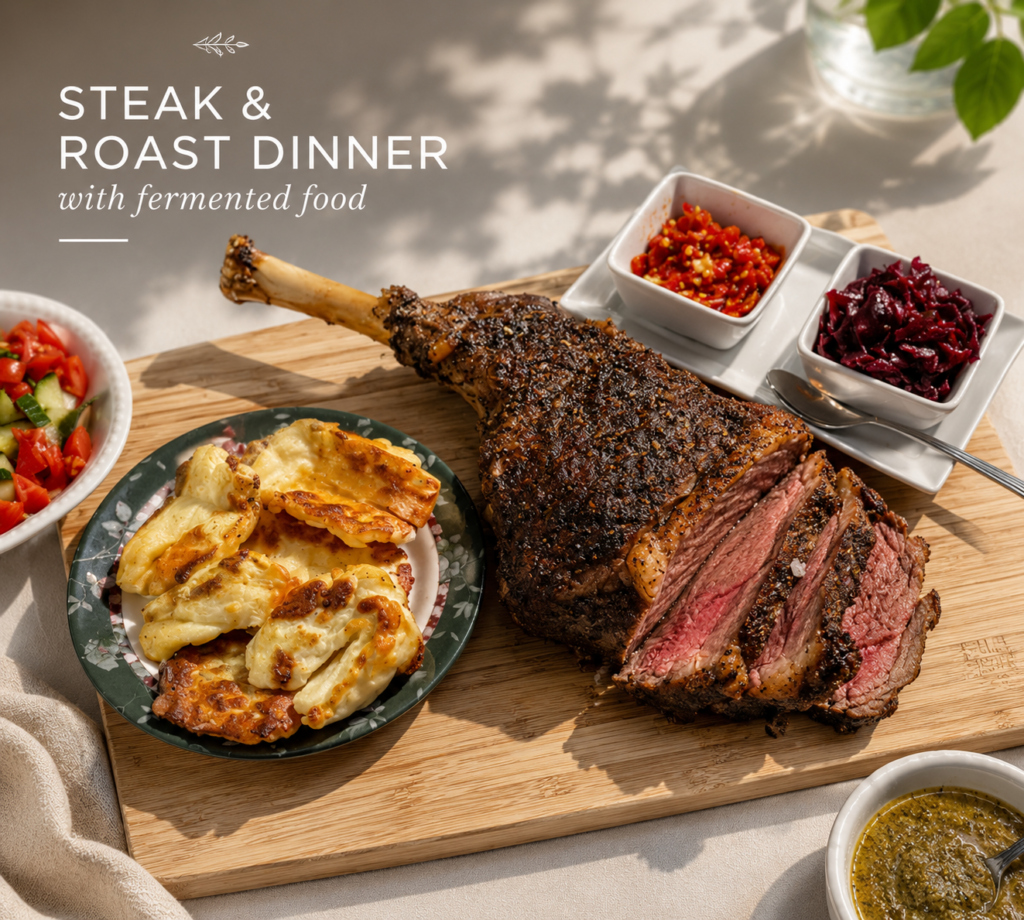
This is why fermented foods work so well with rich, fatty, grilled, roasted or savoury dishes. They cut through heaviness, add brightness and bring balance to the plate.
Why People Choose Fermented Foods
Live Cultures
Raw, unpasteurised fermented foods contain live microorganisms created through the fermentation process
These live cultures are part of what makes traditionally fermented food different from many heat-treated or heavily processed foods
Dietary Diversity
A varied diet is important, and fermented foods can add another layer of diversity to everyday meals
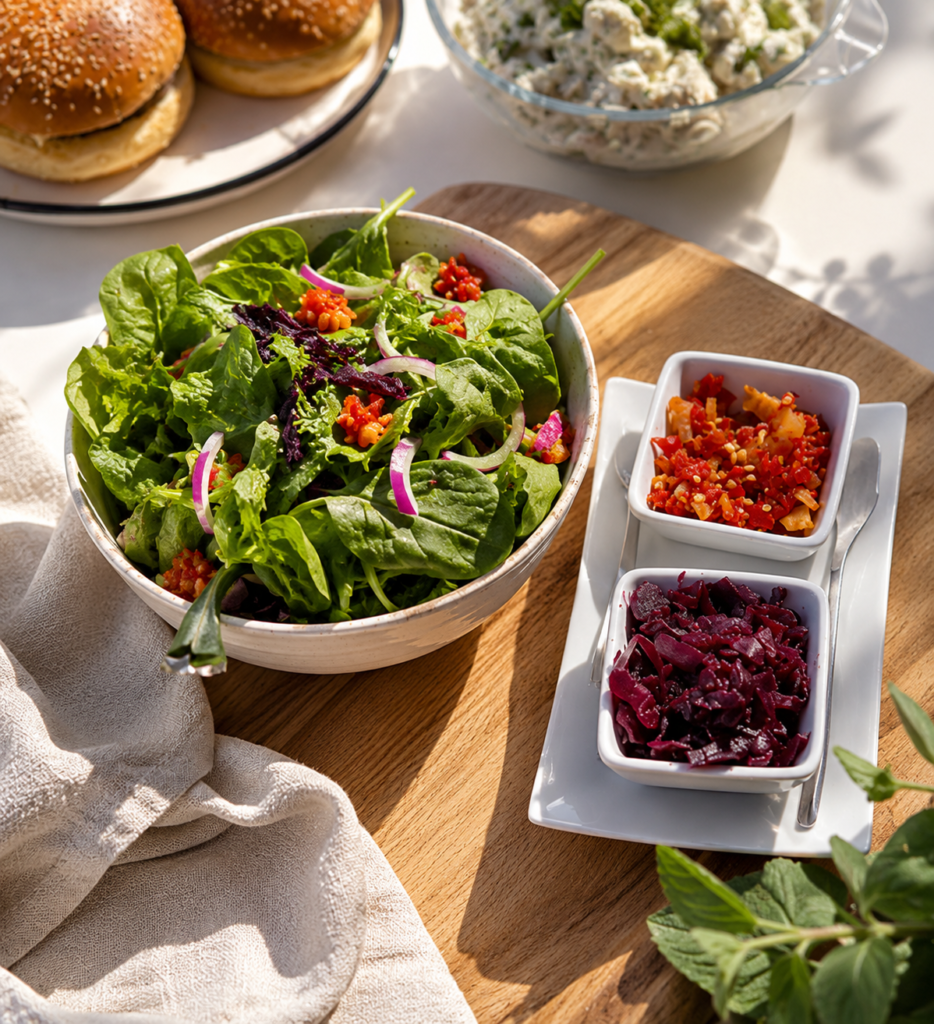
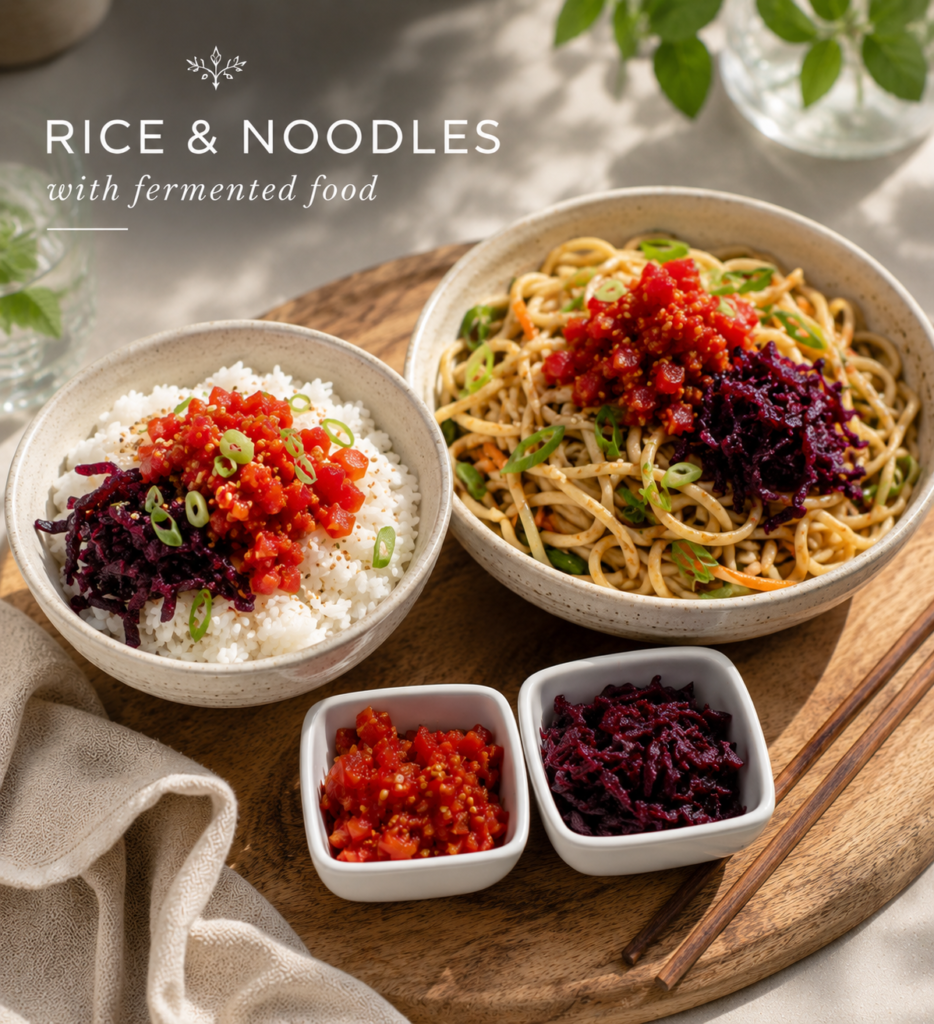
Rather than replacing normal food, fermented products work best as part of a balanced plate: added to rice bowls, sandwiches, cooked breakfasts, cheese boards, salads, burgers, noodles, roast dinners and grilled meats
Natural Acidity
Fermentation naturally develops acidity
This acidity gives fermented foods their brightness and makes them especially useful as a condiment, side or flavour enhancer
That is why a small spoonful can transform a dish
Reduced Food Waste
Fermentation has traditionally been used to preserve seasonal produce and reduce waste
When fresh ingredients are abundant, fermentation gives them a longer life and turns them into something different rather than letting good produce go unused
Simple Ingredients
Good fermented food does not need to be complicated
Many traditional ferments are made from vegetables, salt, time and controlled conditions
At RH Fermented Food, we focus on simple ingredients, careful preparation and flavour developed naturally through fermentation
Raw & Unpasteurised
Many mass-produced foods are heat-treated to extend shelf life
Our fermented products are raw and unpasteurised, meaning they are not heat-treated after fermentation
This helps preserve their natural character, live cultures and fresh fermented flavour
Because of this, they should be stored correctly and kept refrigerated once purchased.
Fermented Food and the Local Supply Chain
Fermented food has a strong connection to local production.
Although some fermented products can be made for long-distance distribution, raw and unpasteurised fermented foods are best suited to a shorter, more local supply chain.
This is especially true for products that are alive, chilled and still developing slowly over time.
Why Local Matters ?
Shorter Supply Chains
A local supply chain means products spend less time in transit.
This helps maintain freshness, reduces unnecessary handling and allows customers to receive the product closer to the point of production.
Better Control
Fermented foods need care.
Temperature, storage, packaging and handling all matter.
Producing and supplying locally gives better control over these factors, helping protect the quality and character of the finished product.
Live Products Need Control
Raw fermented foods are not static products.
Even after packing, they can continue to develop slowly.
Refrigeration slows this process and helps keep the product stable, but it does not turn it into a fully inactive product.
This is one reason why chilled, local distribution is more suitable than long-distance shipping for many raw fermented foods.
Less Need for Heavy Processing
To make food suitable for long-distance supply, many producers rely on longer shelf-life methods such as pasteurisation, preservatives, stabilisers or more intensive packaging.
Those methods can be useful for large-scale distribution, but they may change the character of the product.
Our approach is different.
We want to keep our fermented foods close to their traditional form: raw, unpasteurised, fresh-tasting and full of natural fermented character.
🌶️🌶️🌶️🌶️🌶️🌶️🌶️🌶️🌶️🌶️🌶️🌶️🌶️🌶️🌶️🌶️🌶️🌶️🌶️🌶️🌶️🌶️🌶️🌶️🌶️🌶️🌶️🌶️🌶️🌶️🌶️🌶️🌶️🌶️🌶️🌶️🌶️🌶️🌶️🌶️🌶️🌶️🌶️🌶️🌶️🌶️🌶️🌶️🌶️🌶️🌶️🌶️🌶️🌶️
Supporting Local Food Systems
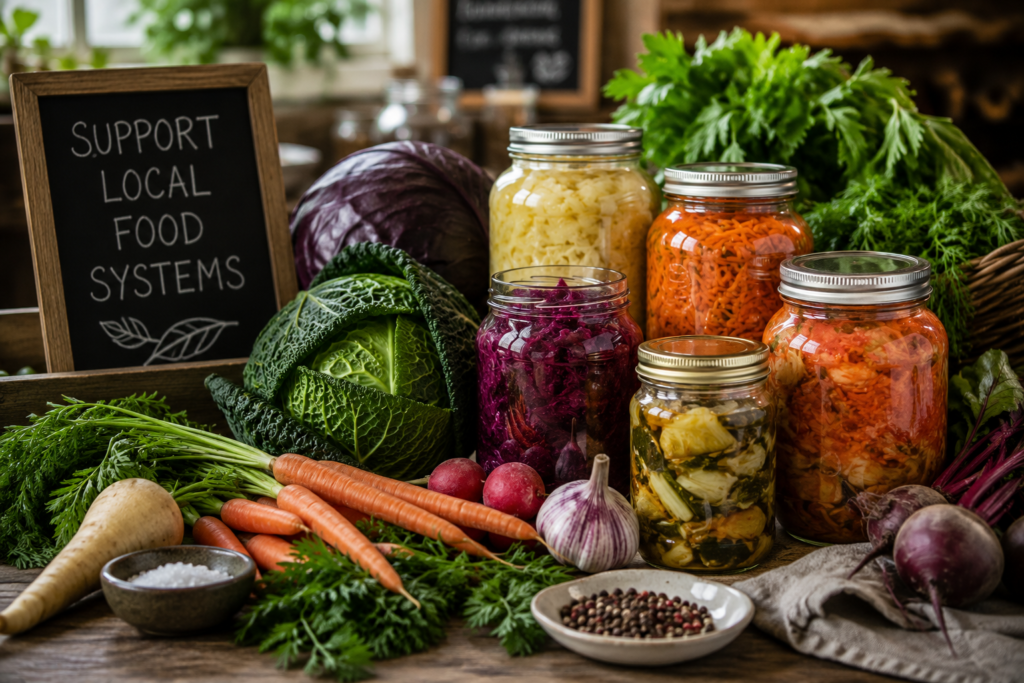
Fermentation works beautifully with seasonal and regional produce.
It allows local ingredients to be preserved, transformed and sold with added value.
For restaurants, cafés, delis and farm shops, this creates an opportunity to offer customers something distinctive, locally made and flavour-led.
Why Fermented Food Works for Restaurants and Retailers
Fermented products are small but powerful.
They can be used as:
– A condiment
– A side dish
– A topping
– A flavour base
– A menu ingredient
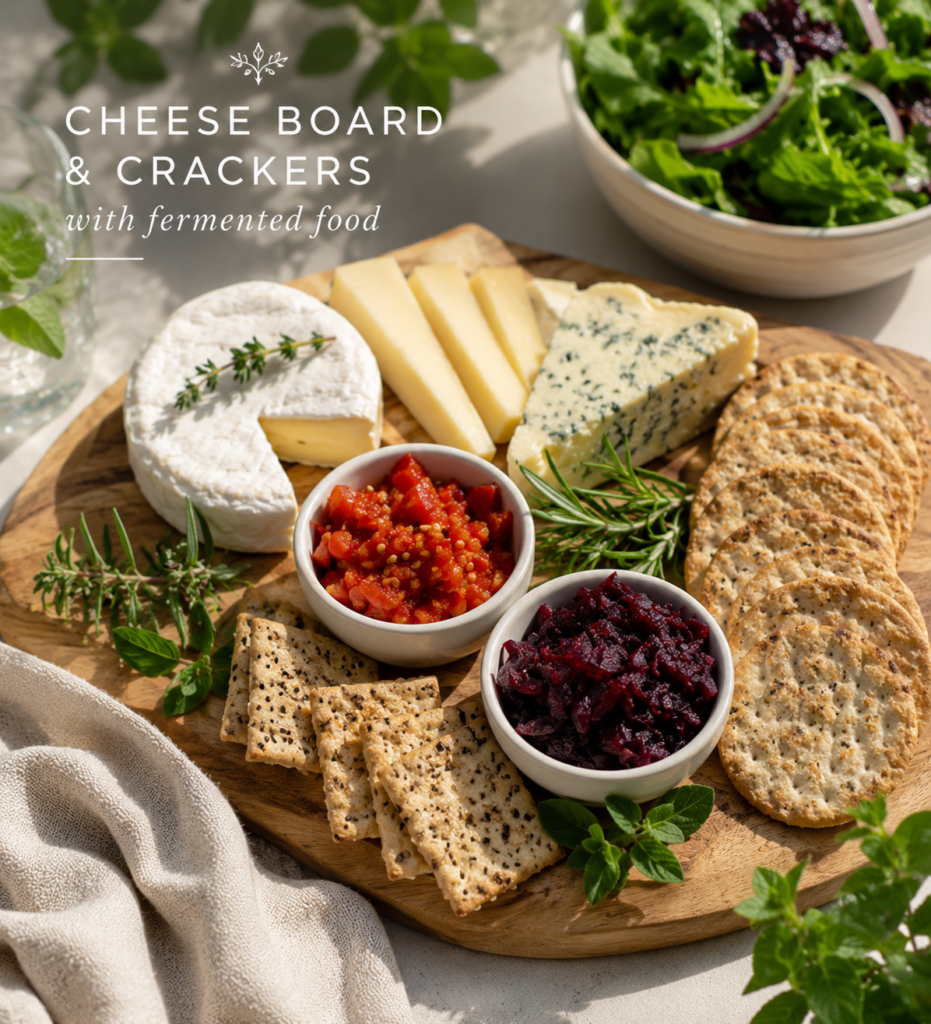
– A cheese board accompaniment
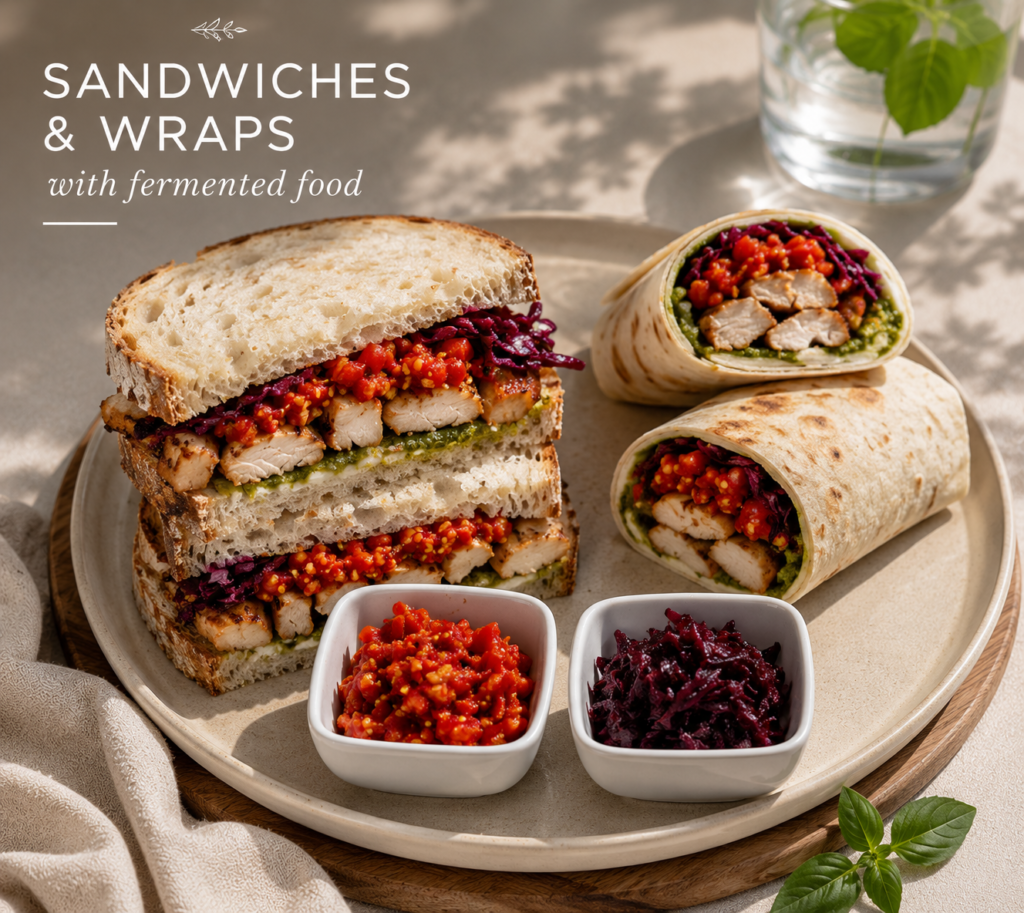
– A burger or sandwich upgrade
– A retail product for customers to take home
For cafés, restaurants and retailers, fermented foods offer a way to add flavour, interest and identity without completely changing the menu.
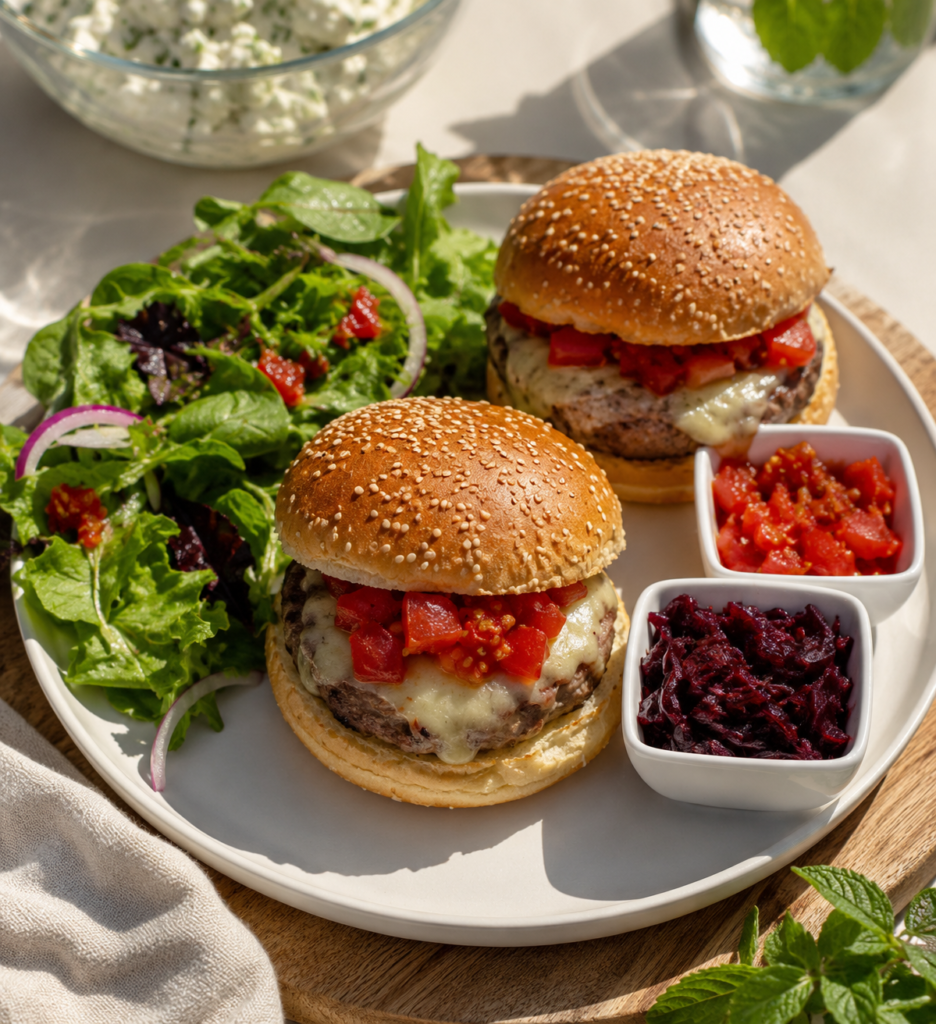
A spoonful of fermented chilli can lift a burger.
Sauerkraut can brighten a sandwich or sausage dish.
Fermented pepper spread can add depth to roasted vegetables, eggs, grilled meats or sharing boards.
The RH Fermented Food Approach
We believe fermented food should be practical, enjoyable and full of flavour.
Our products are made for real eating, not just for display on a health food shelf.
We focus on:
– Bold flavour
– Small-batch production
– Traditional fermentation
– Raw and unpasteurised products
– Simple ingredients
– Local supply
– Food made with care and consistency